LifeWatch ERIC is proud to be part of the new funded project RECUP-DAS, through an agreement signed together with the Andalusian Regional Governement and the University of Huelva.
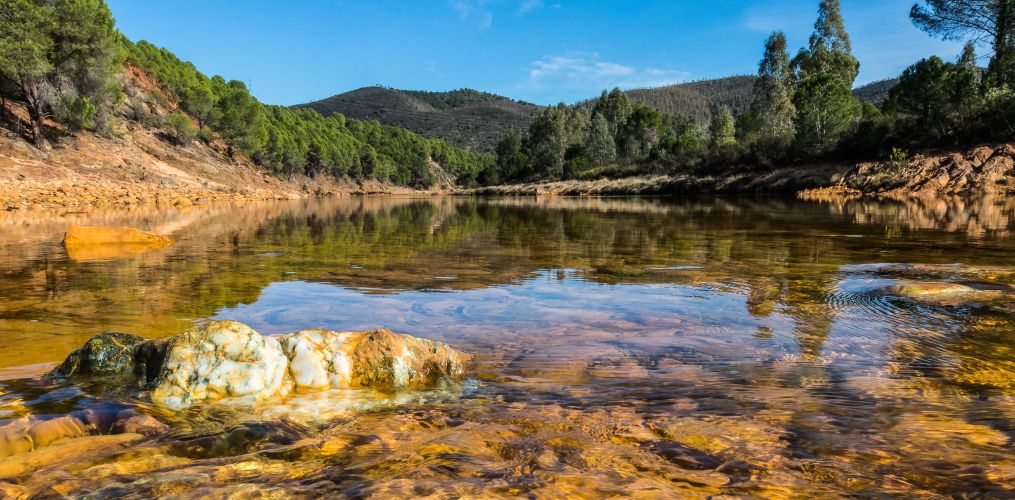
With a total budget of 10.4 million euros, RECUP-DAS is a strategic initiative funded under ERDF Andalusia 2021-2027, that promotes the environmental recovery of the Tinto and Odiel river basins, two of the systems that most suffered the acid drainage from historical mining (the name “Río Tinto” refers to the reddish colour of its waters from iron and other metals dissolved into them).
This initiative entails the collaboration of the Ministry of Agriculture, Fisheries, Water and Rural Development in terms of leadership on the sustainable management of water, in collaboration with the Andalusian knowledge system and LifeWatch ERIC as scientific infrastructure specialised in biodiversity and ecosystem.
The project follows an innovative and sustainable approach, aligned with the regional hydrological planning. The Directorate General responsible for water resources will oversee the construction of a DAS technology-based plant for the treatment of acid mine drainage and environmental restoration of the affected areas, with a gradual recovery of biodiversity and associated ecosystem services.
DAS stands for “Dispersed Alkaline Substrate“, a technology developed by the “Tharsis” Research Group of the University of Huelva, which will be improved and optimised throughout the project: this passive treatment system neutralised acidity and removes dissolved metals in contaminated water without the need for continuous energy or permanent addition of reagents.
With a total budget of 5.9 million euros assigned, LifeWatch ERIC will lead the digitisation of the system and the development of a digital twin, which will allow the simulation of different operating scenarios to optimise efficiency, and improve decision-making along the plant operation.
In addition, LifeWatch ERIC will also be responsible for the dissemination of project’s results, ensuring that knowledge generated can be transferred and replicated in future restoration initiatives, regional, national and international.
The main expected results of RECUP-DAS are a significant reduction in the pollutant load in affected waters, improvement of the ecological status of the intervened watercourses, and the generation of scientific and technical knowledge applicable to basins in similar conditions. Solid waste generated from the treatment process will be the object of further analysis on how to potentially valorise it, within the framework of circular economy.
Stay tuned to know more about RECUP-DAS!