
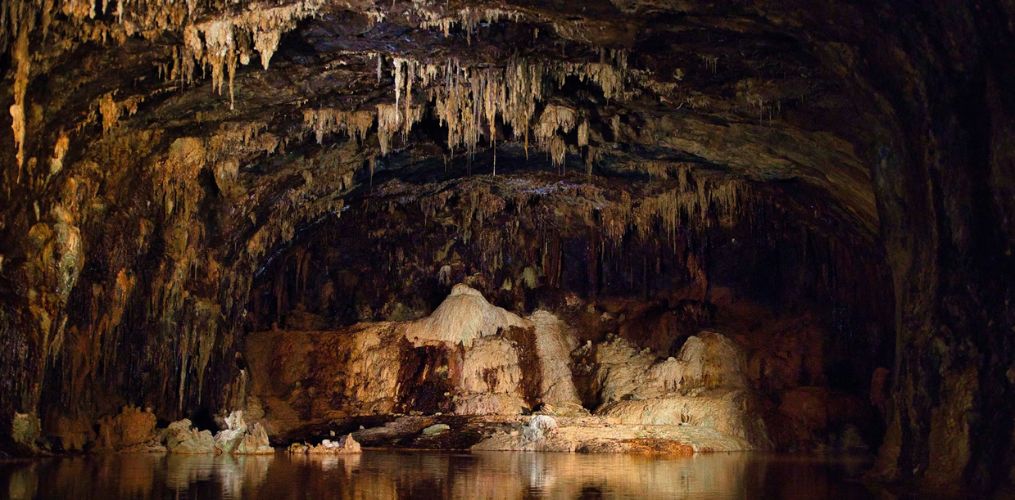
LifeWatch Slovenia members Magdalena Nǎpǎruş-Aljančič and Tanja Pipan (Karst Research Institute – ZRC SAZU) co-authored a new, open-access article in BioScience, titled “Patterns and Drivers of Subterranean Biodiversity Hotspots across the Globe”.
The study maps global subterranean biodiversity hotspots, highlighting the exceptional richness of the Dinaric Karst. In fact, the extreme environment of caves hosts a surprising number of aquatic and terrestrial species that are highly specialised for these habitats: no eyes and pigments, elongated appendages, elaborate extraoptic sensory structures make these species unique in the world, and extremely rare.
Starting from recently published lists of such invertebrate and vertebrate cave-limited species, the researchers mapped hotspots of cave biodiversity – globally – to understand if any patterns emerge, and if these patterns may have any specific drivers.
These may include historical climate change, cave systems density, and resource availability, highlighting conservation challenges associated with protecting these ecosystems with unique characteristics.
The publication of this study was made possible by Prof. Emeritus David C. Culver, mentor of the paper, and a pioneer of speleobiology, whose work has shaped many studies and conservation actions of the subterranean life.
Read the full article here: https://doi.org/10.1093/biosci/biaf159
The BioScience journal, founded in 1964, collects timely and authoritative overviews of current research in biology, as well as essays and discussion sections on education, public policy, history, and the conceptual underpinnings of the biological sciences.