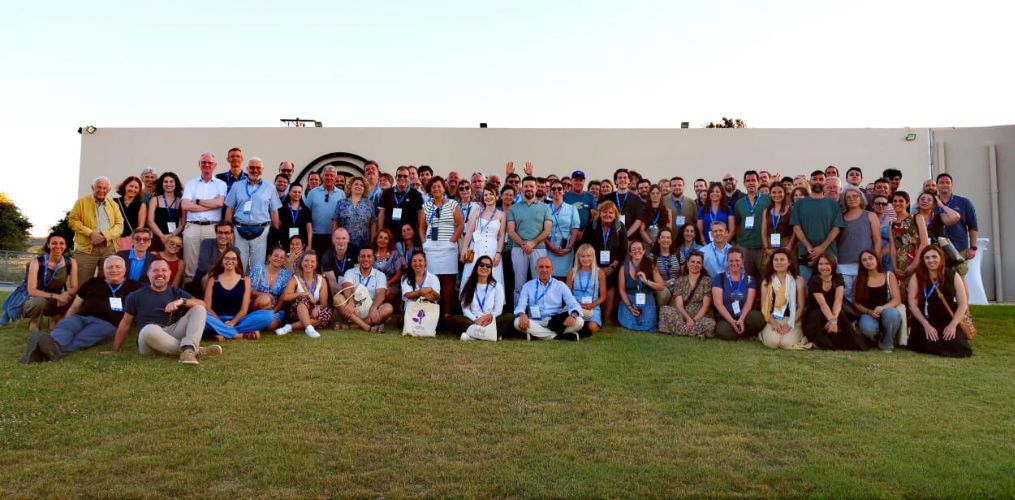
European e-Infrastructures, organisations, and research initiatives dedicated to the living world convened in Heraklion, Crete, to explore shared solutions to today’s global challenges. Because the pressures on our biosphere are deeply interconnected, they call for collaborative, systemic, and integrated responses.
On this page, you can learn more about the origins and vision of the Crete Declaration, and add your voice by endorsing it.
Uniting Science for One Health
A brief overview
The interdependence of human, animal, plant, and ecosystem health necessitates systemic, cross-domain collaboration to address global challenges such as emerging diseases, climate change, and biodiversity severe change.
Through the Crete Declaration, Europe’s (e-)infrastructures, organisations, and projects dedicated to the living component of our Biosphere commit to jointly advancing the One Health approach.
In doing so, the signatories aim to strengthen Europe’s resilience and leadership through the sharing of data and expertise, the development of innovative solutions, and the promotion of evidence-based policies.
Why the Crete Declaration
The signatories of the Declaration met in Heraklion, Crete, on 30 June 2025, on the occasion of LifeWatch ERIC’s Biodiversity and Ecosystem e-Science Conference (BEeS 2025).
The motivation behind signing this declaration is the shared awareness of the urgent and interconnected global challenges the world is facing, including emerging diseases, epidemics, and antimicrobial resistance; food safety and sustainable production; water scarcity, environmental contamination and severe biodiversity loss.
In light of these challenges, the signatories recognised the urgent need to join forces and advance the One Health approach, shifting towards systemic and integrated solutions. Their shared ambition is to promote cross-domain research, provide robust scientific evidence for EU and national policies, support and advance open innovation and accelerate adoption of emerging methods.
Objectives
Invest in structured and sustained collaboration on One Health challenges and jointly engage with stakeholders and national and European funding agencies to prioritise actions and work on the realisation of common goals.
Ensure equitable access to relevant data resources, software, workflows, standards, and protocols across domains (both technological and socio-economic).
Establish trusted, inclusive platform for stakeholder engagement, accelerating innovation across public and private sectors in critical areas such as species and ecosystem conservation, sustainable food systems, antimicrobial resistance, and water security.
Provide integrated scientific knowledge to inform effective, evidence-based policymaking and engage citizens. Policies anchored in reliable data are robust and, when rooted in societal participation they will become more feasible, impactful, and widely adopted.
| Added Time | Name | Surname | Organisation |
|---|---|---|---|
| 05-Nov-2025 10:36:49 | Michael | Mirtl | UFZ, eLTER RI |
| 05-Nov-2025 10:35:40 | Jonathan | Ewbank | ERINHA-AISBL |
| 05-Nov-2025 10:35:03 | Laurent | Delauney | IFREMER, JERICO RI |
| 05-Nov-2025 10:34:11 | Ana | Casino | CETAF |
| 05-Nov-2025 10:33:44 | Michel | Boër | AnaEE-ERIC |
| 05-Nov-2025 10:33:07 | Giuseppe | Aprea | ENEA, PRO-GRACE Project |
| 05-Nov-2025 10:32:22 | Robert M | Waterhouse | SIB Swiss Institute of Bioinformatics, BGE Project |
| 05-Nov-2025 10:31:40 | Costas | Tsigenopoulos | IMBBC, HCMR |
| 05-Nov-2025 10:31:00 | Peter | van Tienderen | University of Amsterdam, LifeWatch ERIC |
| 05-Nov-2025 10:30:27 | Heliana | Teixeira | CESAM & University of Aveiro, GES4SEAS Project |
| 05-Nov-2025 10:29:49 | Tassos | Stavropoulos | OpenAIRE, OSTrails Project |
| 05-Nov-2025 10:28:42 | Adrian | Stanica | GeoEcoMar, DANUBIUS RI |
| 05-Nov-2025 10:28:11 | Dick | Schaap | MARIS B.V., Blue Cloud Project |
| 05-Nov-2025 10:27:26 | Patrick | Ruch | HES-SO - HEG Geneva |
| 04-Nov-2025 15:36:46 | Susie | Robinson | EMPHASIS RI |
| 04-Nov-2025 15:36:15 | Niels | Raes | Naturalis Biodiversity Center, BMD Project |
| 04-Nov-2025 15:35:28 | Fotis E | Psomopoulos | CERTH, EVERSE Project |
| 04-Nov-2025 15:34:48 | Antonello | Provenzale | National Research Council (CNR IGG), ITINERIS Project |
| 04-Nov-2025 15:32:53 | Ana | Portugal Melo | MIRRI-ERIC |
| 04-Nov-2025 15:32:14 | Nicolas | Pade | EMBRC-ERIC |
| 04-Nov-2025 15:31:42 | Vanessa | Marrocco | LifeWatch ERIC |
| 04-Nov-2025 15:30:58 | Natalia | Manola | OpenAIRE, OSTrails Project |
| 04-Nov-2025 15:30:06 | Dimitris | Koureas | Naturalis Biodiversity Center, DiSSCo RI, BGE Project |
| 04-Nov-2025 15:29:15 | Georgios | Kotoulas | IMBBC, HCMR |
| 04-Nov-2025 15:28:41 | Cristina | Huertas Olivares | LifeWatch ERIC |
| 04-Nov-2025 15:28:10 | Katharina F | Heil | ELIXIR |
| 04-Nov-2025 15:27:22 | Jens K | Habermann | BBMRI-ERIC |
| 04-Nov-2025 15:26:51 | Stefan | Gruber | SHARE-ERIC |
| 04-Nov-2025 15:26:16 | Giovanni | Giuliano | ENEA, PRO-GRACE Project |
| 04-Nov-2025 15:25:31 | Teodor | Georgiev | Pensoft Publishers |
| 04-Nov-2025 15:24:59 | Tiziana | Ferrari | EGI Foundation |
| 04-Nov-2025 15:24:26 | John | Eriksson | EuroBioImaging ERIC |
| 04-Nov-2025 15:23:50 | Federico | Drago | EGI Foundation, ENVRI-Hub NEXT |
| 04-Nov-2025 15:22:49 | Klaas | Deneudt | Flanders Marine Institute (VLIZ), DTO BioFlow Project |
| 04-Nov-2025 15:21:58 | Francesco | De Leo | National Research Council, CNR-IRET |
| 04-Nov-2025 15:21:14 | Berta | Companys | ICM, CSIC, ANERIS Project |
| 04-Nov-2025 15:20:20 | Claudia | Coman | MARIS B.V. |
| 04-Nov-2025 15:18:20 | Eva | Chatzinikolaou | IMBBC, HCMR, LifeWatch Greece |
| 04-Nov-2025 15:17:20 | Alberto | Basset | University of Salento, LifeWatch ERIC, National Research Council |
| 04-Nov-2025 15:16:20 | Olga | Ameixa | University of Aveiro, RESTORE4Cs |
| 04-Nov-2025 15:15:20 | Christos | Arvanitidis | LifeWatch ERIC |
| 05-Nov-2025 14:11:43 | Jana | Pavlic-Zupanc | BBMRI-ERIC |
| 05-Nov-2025 15:24:00 | Lyubomir | Penev | Pensoft Publishers & Bulgarian Academy of Sciences |
| 05-Nov-2025 15:27:20 | Jaume | Piera | ICM, CSIC, ANERIS Project |
| 05-Nov-2025 15:37:17 | Paraskevi | Pitta | IO, HCMR, AQUACOSM-plus, MESOAQUA |
| 05-Nov-2025 15:37:58 | Ingrid | Puillat | EMSO ERIC |
| 05-Nov-2025 15:39:30 | David | Richter | SHARE-ERIC |
| 05-Nov-2025 15:40:32 | Diana | Stepanyan | ERINHA-AISBL |
| 05-Nov-2025 15:41:30 | Anton | Ussi | EATRIS-ERIC |
| 05-Nov-2025 15:42:40 | Jan Marcin | Węsławski | IOPAN, MARBEFES Project |
| 05-Nov-2025 15:43:16 | Gabriela | Zuquim | CSC - IT Center for Science, BioDT Project |
| 28-Nov-2025 14:30:46 | Salvador Jesús | Fernández Bejarano | LifeWatch ERIC |
| 28-Nov-2025 17:28:06 | Hisham M | Shaikh | Flanders Marine Institute |
| 29-Nov-2025 15:23:14 | fooks | samuel | Flanders Marine Institute |
| 04-Dec-2025 14:37:05 | Sara | Montinaro | LifeWatch ERIC |
| 08-Dec-2025 14:39:03 | Michiel | Perneel | Flanders Marine Institute |
| 30-Dec-2025 11:32:08 | Magdalena | Aljancic | ZRC SAZU |
| 23-Jan-2026 16:42:50 | Amadeu | Soares | CESAM-Centro de Estudos do Ambiente e do Mar, Universidade de Aveiro |
Initial promoters
Europe’s large-scale Research (e-)Infrastructures, organisations and collaborative projects dedicated to understanding the living component of Biosphere.
- Christos Arvanitidis - LifeWatch ERIC
- Olga Ameixa - University of Aveiro/RESTORE4Cs
- Alberto Basset - University of Salento/LifeWatch ERIC/CNR
- Eva Chatzinikolaou - IMBBC/HCMR/LifeWatch Greece
- Claudia Coman - MARIS B.V./Nootdorp
- Berta Companys - ICM/CSIC/ANERIS
- Francesco De Leo - CNR-IRET/OEMC
- Klaas Deneudt - VLIZ/DTO BioFlow
- Federico Drago - EGI Foundation/ENVRI Hub NEXT
- John Eriksson - EuroBioImaging ERIC
- Tiziana Ferrari - EGI Foundation
- Teodor Georgiev - Pensoft Publishers
- Giovanni Giuliano - ENEA/PRO-GRACE
- Stefan Gruber - SHARE-ERIC
- Jens K Habermann - BBMRI-ERIC
- Katharina F Heil - ELIXIR
- Tim Hubbard -
- Cristina Huertas Olivares - LifeWatch ERIC
- Georgios Kotoulas - IMBBC, HCMR
- Dimitris Koureas - Naturalis Biodiversity Center/DiSSCo RI/BGE
- Natalia Manola - OpenAIRE/OSTrails Project
- Vanessa Marrocco - LifeWatch ERIC
- Nicolas Pade - EMBRC-ERIC
- Ana Portugal Melo - MIRRI-ERIC
- Antonello Provenzale - CNR-IGG/ITINERIS
- Fotis E Psomopoulos - CERTH/EVERSE
- Niels Raes - Naturalis Biodiversity Center/BMD
- Susie Robinson - EMPHASIS RI
- Patrick Ruch - HES-SO/HEG Geneva
- Dick Schaap - MARIS B.V./BlueCloud
- Adrian Stanica - GeoEcoMar/DANUBIUS RI
- Tassos Stavropoulos - OpenAIRE/OSTrails
- Heliana Teixeira - CESAM/University of Aveiro/GES4SEAS
- Peter van Tienderen - LifeWatch ERIC/University of Amsterdam
- Costas Tsigenopoulos - IMBBC/HCMR
- Rober M Waterhouse - SIB/BGE
- Giuseppe Aprea - ENEA/PRO-GRACE
- Michel Boër - AnaEE-ERIC
- Ana Casino - CETAF
- Laurent Delauney - IFREMER/JERICO RI
- Jonathan Ewbank - ERINHA/AISBL
- Michael Mirtl - UFZ/eLTER RI
- Jana Pavlic-Zupanc - BBMRI-ERIC
- Lyubomir Penev - Pensoft Publishers/Bulgarian Academy of Sciences
- Jaume Piera - ICM/CSIC/ANERIS
- Paraskevi Pitta - IO/HCMR/AQUACOSM-plus/MESOAQUA
- Ingrid Puillat - EMSO ERIC
- David Richter - SHARE-ERIC
- Diana Stepanyan - ERINHA-AISBL
- Anton Ussi - EATRIS-ERIC
- Jan Marcin Węsławski - IOPAN/MARBEFES
- Gabriela Zuquim - CSC/IT Center for Science/BioDT
Participating institutions


Publications
- The Crete Declaration is published as a policy brief in the open-science journal Research Ideas and Outcomes (https://riojournal.com). The policy brief containing the Crete Declaration is the latest contribution to the LifeWatch ERIC Strategic Working Plan Outcomes open-science collection in the Research Ideas and Outcomes journal, a one-stop access point to the most important deliverables by the research infrastructure consortium. Link to publication: https://doi.org/10.3897/rio.11.e176120