
Metagenomics in Biodiversity and Ecosystems
A brief overview
The Metagenomics in Biodiversity and Ecosystems Working Group aims to promote innovative approaches for biodiversity monitoring across terrestrial and aquatic ecosystems, supporting ecosystem health assessment, early detection of ecological changes, and sustainable resource management. By enabling rapid and cost-effective biodiversity surveys, metagenomics provides essential tools for the timely assessment of biodiversity, guiding conservation actions and strengthening long-term ecosystem resilience research.
Metagenomics has become a cornerstone technology for biodiversity monitoring. By sequencing DNA directly extracted from environmental samples (e.g., eDNA from seawater, freshwater, sediments, soil, and air), it enables the characterisation of microbial communities without culturing, providing an unprecedented and comprehensive view of species diversity, community composition, and ecosystem functioning across large and difficult-to-sample environments. In addition, eDNA recovered through shotgun metagenomic approaches can also provide signals of macrobial organisms, enabling the detection of plants, animals, and other multicellular taxa present in the ecosystem.
Metagenomics reveals both dominant and rare taxa within biological communities, enabling early detection of pollution, habitat degradation, and climate-driven biodiversity shifts. It also facilitates the discovery of novel genes and organisms, deepening our understanding of ecosystem dynamics and adaptive capacity.
Advances in high-throughput sequencing and bioinformatics have made large-scale metagenomic monitoring increasingly feasible and affordable, enabling coordinated, large-scale and long-term biodiversity monitoring programs. The WG will promote standardised methodologies, robust computational infrastructures, and accessible analysis platforms such as Galaxy instances.
Through the integration of expertise from LifeWatch ERIC, ELIXIR-IT, and the broader biodiversity research community, the Metagenomics in Biodiveristy and Ecosystems WG will contribute to building a coordinated monitoring network and developing next-generation services for biodiversity assessment, supporting both scientific research and evidence-based conservation strategies.
Join us in advancing biodiversity monitoring through cutting-edge eDNA metagenomics and bioinformatics. Together, we can build standardised, accessible, and sustainable solutions to better characterise biological communities, understand their dynamics within ecosystems, detect ecological threats at an early stage, and support the preservation of vulnerable ecosystems in a rapidly changing world.
Need help joining?
Check our FAQs
A brief overview
The Metagenomics in Biodiversity and Ecosystems Working Group aims to promote innovative approaches for biodiversity monitoring across terrestrial and aquatic ecosystems, supporting ecosystem health assessment, early detection of ecological changes, and sustainable resource management. By enabling rapid and cost-effective biodiversity surveys, metagenomics provides essential tools for the timely assessment of biodiversity, guiding conservation actions and strengthening long-term ecosystem resilience research.
Metagenomics has become a cornerstone technology for biodiversity monitoring. By sequencing DNA directly extracted from environmental samples (e.g., eDNA from seawater, freshwater, sediments, soil, and air), it enables the characterisation of microbial communities without culturing, providing an unprecedented and comprehensive view of species diversity, community composition, and ecosystem functioning across large and difficult-to-sample environments. In addition, eDNA recovered through shotgun metagenomic approaches can also provide signals of macrobial organisms, enabling the detection of plants, animals, and other multicellular taxa present in the ecosystem.
Metagenomics reveals both dominant and rare taxa within biological communities, enabling early detection of pollution, habitat degradation, and climate-driven biodiversity shifts. It also facilitates the discovery of novel genes and organisms, deepening our understanding of ecosystem dynamics and adaptive capacity.
Advances in high-throughput sequencing and bioinformatics have made large-scale metagenomic monitoring increasingly feasible and affordable, enabling coordinated, large-scale and long-term biodiversity monitoring programs. The WG will promote standardised methodologies, robust computational infrastructures, and accessible analysis platforms such as Galaxy instances.
Through the integration of expertise from LifeWatch ERIC, ELIXIR-IT, and the broader biodiversity research community, the Metagenomics in Biodiveristy and Ecosystems WG will contribute to building a coordinated monitoring network and developing next-generation services for biodiversity assessment, supporting both scientific research and evidence-based conservation strategies.
Join us in advancing biodiversity monitoring through cutting-edge eDNA metagenomics and bioinformatics. Together, we can build standardised, accessible, and sustainable solutions to better characterise biological communities, understand their dynamics within ecosystems, detect ecological threats at an early stage, and support the preservation of vulnerable ecosystems in a rapidly changing world.
Need help joining?
Check our FAQs
In the spotilight
Key Objectives
- Built a set of best practices and recommendations to optimise metagenomic experimental design according to the specific biological question and ecosystem context.
- Define guidelines for appropriate sampling strategies, replication, metadata collection, and sequencing approaches tailored to different monitoring objectives.
- Establish standard operative procedures (SOPs) and robust protocols for nucleic acid extraction from diverse environmental matrices (e.g. seawater, freshwater, sediments, biofilms, soil, air), ensuring reproducibility and high-quality downstream sequencing data.
- Deploy robust computational environments for large-scale analyses.
- Provide pre-configured Virtual Machines and Galaxy Instances for democratised access.
- Support workflow development for eDNA, DNA metabarcoding, and shotgun metagenomics.
- Foster engagement of the scientific community working on biodiversity and ecosystem monitoring, promoting the integration of molecular (NGS-based) approaches into existing research frameworks.
- Involve industry stakeholders and biotech/environmental companies interested in applied biodiversity studies, including environmental monitoring, bioprospecting, and
sustainability assessment. - Organise workshops, training activities, and collaborative working tables to facilitate knowledge exchange, standard adoption, and co-development of application-oriented
services. - Promote the translation of metagenomic data into actionable knowledge supporting conservation policies, environmental management, and innovation.
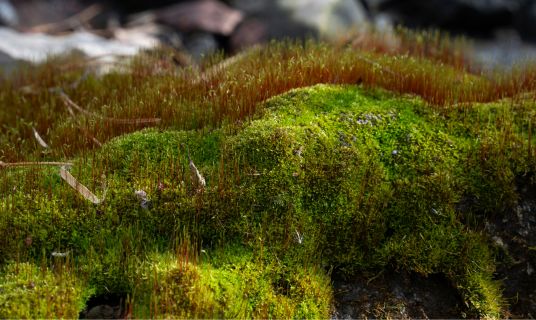
Photo by Alex Moliski
Coordinator


Timeline
Experimental design and extraction protocols
Bioinformatics services and infrastructure
Community engagement and application integration
March–June 2026 Stakeholder mapping and engagement strategy; first open webinar.
July 2026–December 2027 Workshops, training activities, and industry–academia roundtables; co-development of application-oriented pilot studies.
2028 Consolidation of collaborations, cross-infrastructure initiatives, and dissemination of impact- oriented outputs.