

Agroecology
A brief overview
There is a clear and pressing demand from researchers, policymakers and Living Labs for interoperable indicators, reproducible workflows and decision-support tools that integrate biophysical, ecological and socio-economic dimensions to support the agroecological transition in Europe. LifeWatch ERIC provides a unique infrastructure to translate these needs into sustained, widely adopted services across Europe. The Agroecology Working Group aims to support LifeWatch ERIC in operationalising agroecological principles into FAIR, reusable services through coordination, specification development and collaborative pilot initiatives.
Join the Agroecology Working Group to help turn agroecological principles into FAIR, reusable services. Collaborate on coordination, shape clear specifications, and co-create impactful pilot initiatives that support LifeWatch ERIC’s mission: get involved and help build long- lasting solutions into the agroecological transition.
Need help joining?
Check our FAQs
A brief overview
There is a clear and pressing demand from researchers, policymakers and Living Labs for interoperable indicators, reproducible workflows and decision-support tools that integrate biophysical, ecological and socio-economic dimensions to support the agroecological transition in Europe. LifeWatch ERIC provides a unique infrastructure to translate these needs into sustained, widely adopted services across Europe. The Agroecology Working Group aims to support LifeWatch ERIC in operationalising agroecological principles into FAIR, reusable services through coordination, specification development and collaborative pilot initiatives.
Join the Agroecology Working Group to help turn agroecological principles into FAIR, reusable services. Collaborate on coordination, shape clear specifications, and co-create impactful pilot initiatives that support LifeWatch ERIC’s mission—get involved and help build long- lasting solutions into the agroecological transition.
Need help joining?
Check our FAQs
In the spotilight
Key Objectives
- Identify the demand from researchers and living labs for interoperable indicators, reproducible workflows, and decision-support tools that connect biophysical, ecological and socio-economic dimensions.
- Promote the development and adoption of FAIR Data Spaces for environmental and agroecological data exchange, enabling secure, compliant, and purpose-driven data sharing across research groups, administrations and Living Labs.
- Bridge existing projects and initiatives from Distributed Centres in related areas to ensure alignment, synergies and efficient use of existing capacities.
- Contribute to the design and development of digital tools and Virtual Research Environments for the scientific community, particularly Living Labs, to suppoort sustainable agroecosystem management.
- Strengthen the use of AI-based analytical solutions, including machine learning, deep learning and foundation models, to support environmental monitoring, crop classification, ecosystem assessment and sensor-based data processing.
- Provide clear specifications and lightweight demonstrators reusing existing LifeWatch ERIC components, while building partnerships and resources for future implementation.
- Increase knowledge on ecological processes in agroecosystems, considering both relevant spatial scales and long-term changes.
- Promote the advancement of Landscape Agroecology, exploring new ways of functional integration of different land and livestock uses to increase territorial efficiency and generate landscape mosaics well-endowed with biodiversity and ecosystem services.
- Research on the contribution of agroecological management to combating climate emergencies, both in terms of mitigation (sequestration) and adaptation to adverse climatic conditions at both farm and landscape level.
- Contribute to the design of agroecological food systems at local and bioregional levels to meet population food demands.
- Coordinate collaboration among Distributed Centres, Living Labs and research communities to support the development of agroecology services within LifeWatch ERIC.
- Improve comparability of research outputs, accelerate adoption of services, and foster co-created solutions for researchers, farmers, advisors and policy makers.
- Facilitate joint initiatives, project proposals and knowledge exchange to ensure sustained service development and long-term impact.
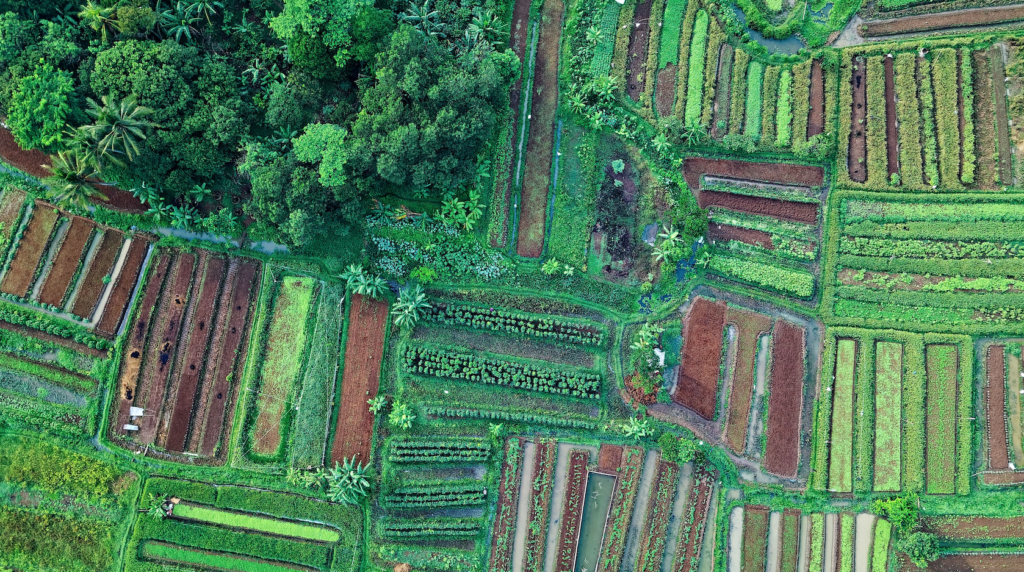
Photo by Tom Fisk on Pexels
Coordinators & Advisory Board Members



Timeline
Support the development of digital agroecology services
June 2026 - Deployment of EDDAn data space for Agrifood sector in Andalusia; Adaptation of TITAN workflow platform and related KHAOS tools to serve as a reproducible, trustworthy analysis layer within EDDAn Data Space;
September 2026 - An AGROSERV TransNationalAccess project is currently underway by LifeWatch ERIC and AnaEE ERIC to develop a VREfA (Virtual Research Environment for Agroecology). The project, led by UPO, will support the biophysical analysis of agroecosystems that are transitioning to agroecological management practices;
Identify community needs and promote FAIR data exchange for agroecology
End of 2027 - Identify the demand from researchers and living labs for interoperable indicators, reproducible workflows, and decision-support tools that connect biophysical, ecological and socio-economic dimensions.
Strengthen collaboration and impact
Permanent activity - Coordinate collaboration among Distributed Centres, Living Labs and research communities to support the development of agroecology services within LifeWatch ERIC;
End of 2027 - Improve comparability of research outputs, accelerate adoption of services, and foster co-created solutions for researchers, farmers, advisors and policy makers.
Permanent activity - Facilitate joint initiatives, project proposals and knowledge exchange to ensure sustained service development and long-term impact.
Advance agroecological research across scales
Permanent activity - Increase knowledge on ecological processes in agroecosystems, considering both relevant spatial scales and long-term changes.
End of 2027 - Promote the advancement of Landscape Agroecology, exploring new ways of functional integration of different land and livestock uses to increase territorial efficiency and generate landscape mosaics well-endowed with biodiversity and ecosystem services.
End of 2027 - Contribute to the design of agroecological food systems at local and bioregional levels to meet population food demands.
End of 2028 - Research on the contribution of agroecological management to combating climate emergencies, both in terms of mitigation (sequestration) and adaptation to adverse climatic conditions at both farm and landscape level.